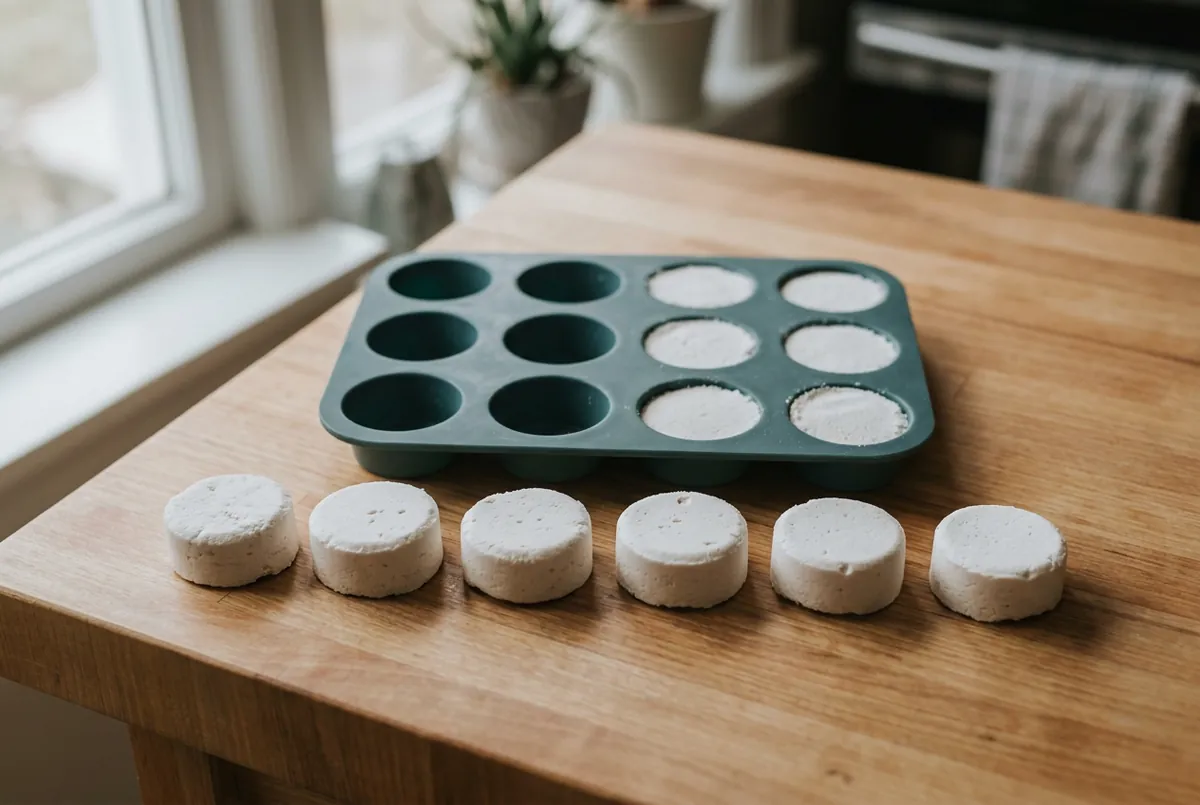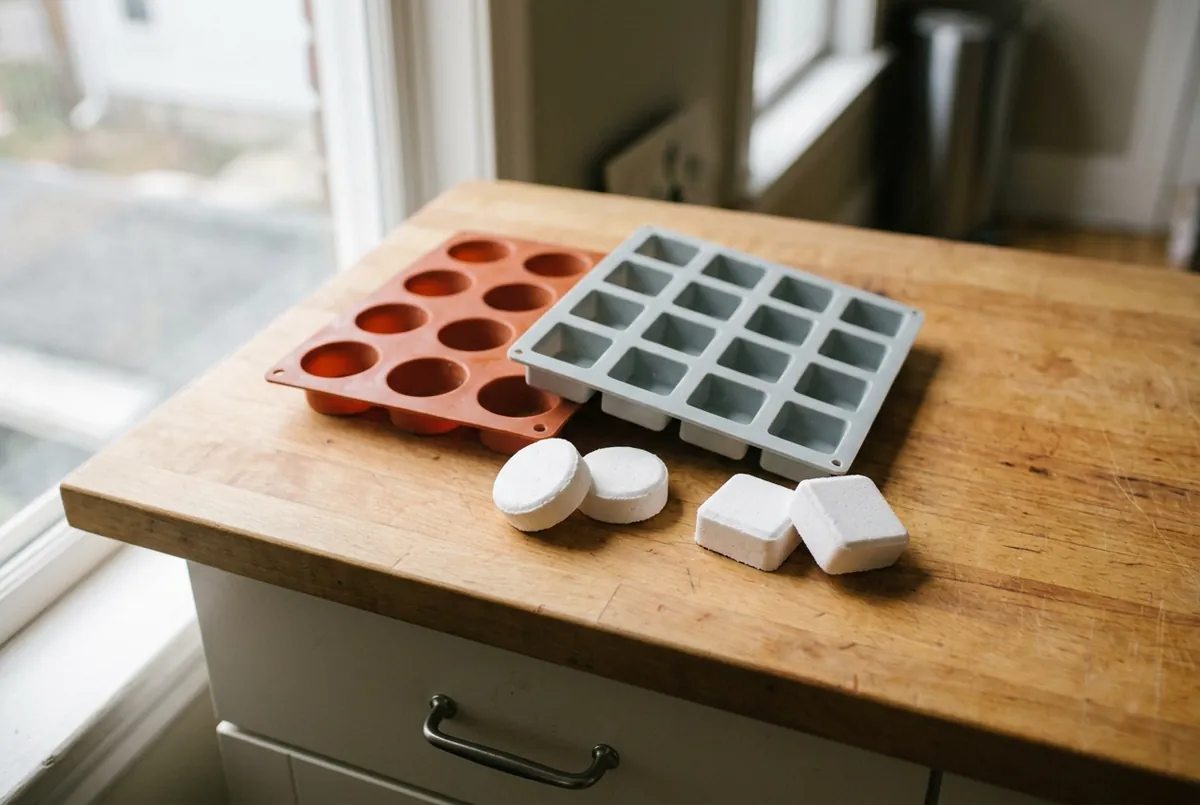
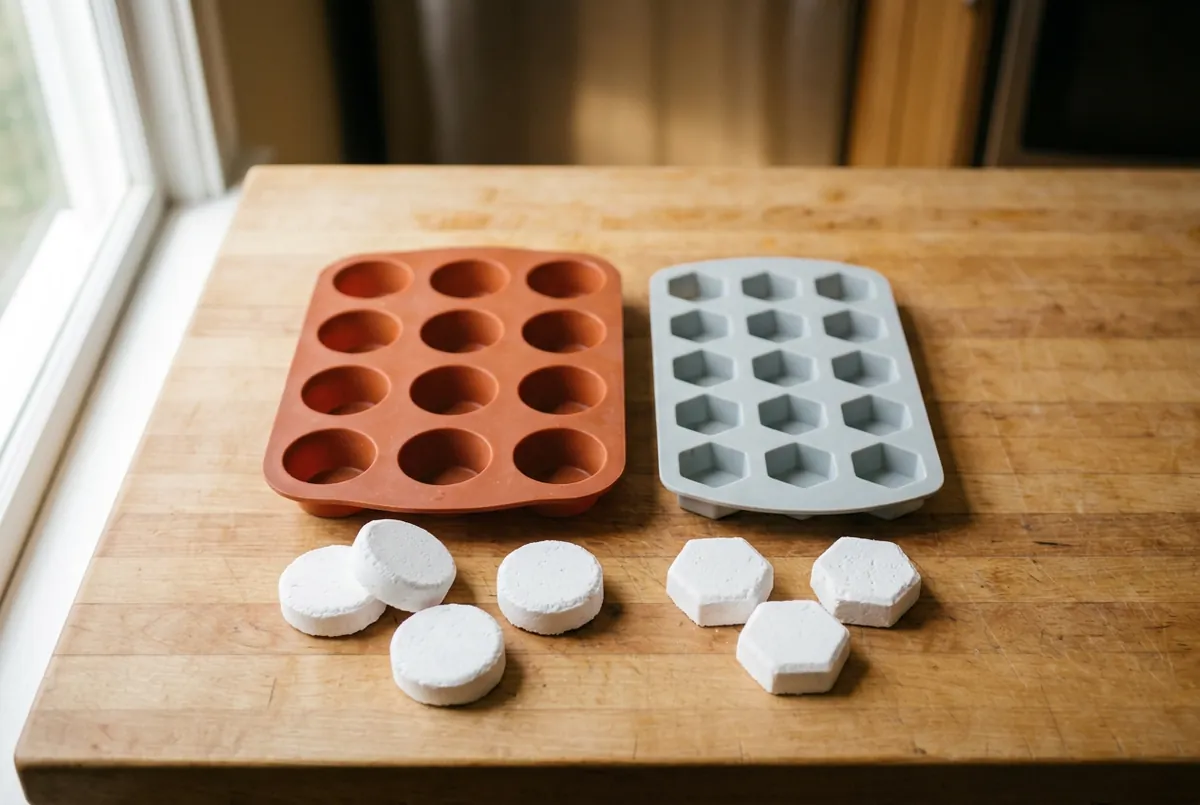
The best shower steamer molds are flexible silicone trays with round cavities about 4cm across and 2cm deep, because you can press hard and peel the mold away. Silicone ice cube trays, cookie cutters and lined mini muffin tins also work; rigid plastic trays break more steamers.
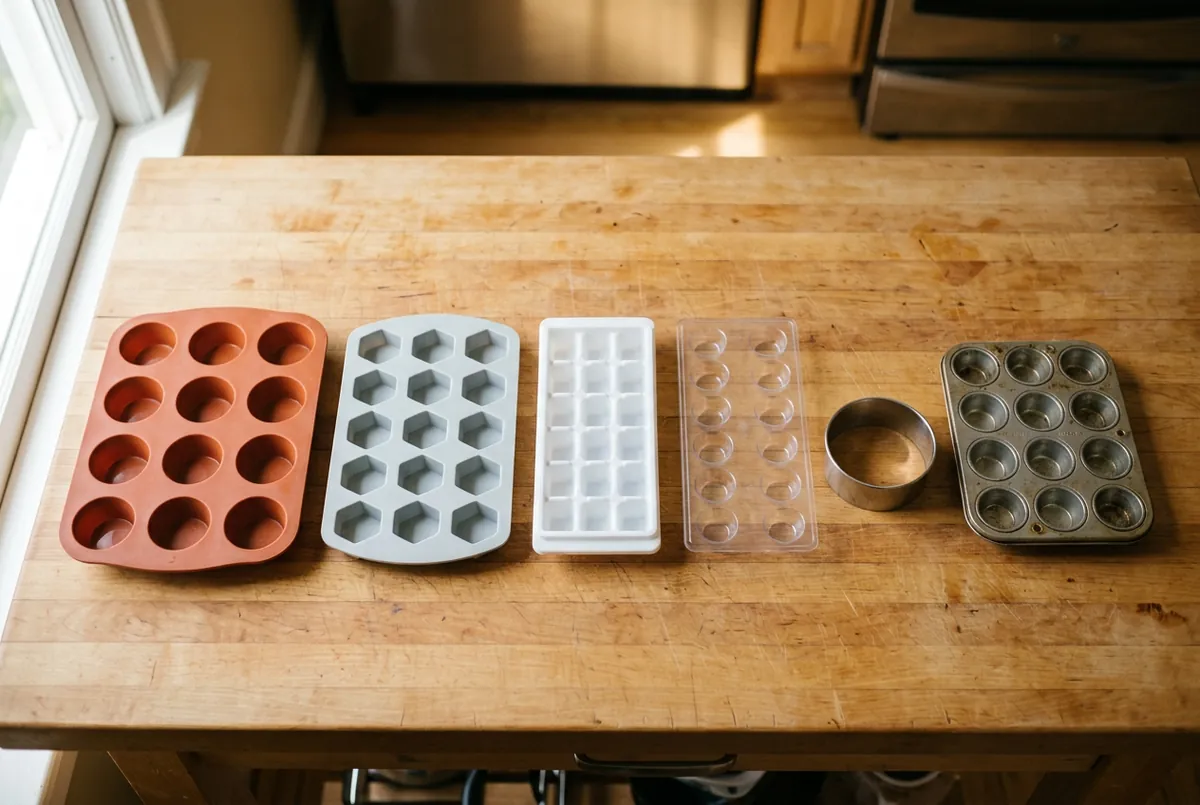
Shower steamer molds are one of the few pieces of kit you actually need, and one of the easiest to get wrong. The shape barely matters. What matters is whether the mold lets go of a pressed, slightly damp tablet without breaking it, and whether each cavity is the right size to fizz for a whole shower. Steamers can be pressed in almost anything, from proper silicone trays to ice cube trays, cookie cutters and a mini muffin tin. Here is how the five common options compare.
Which shower steamer molds work best?
Flexible silicone multi-cavity molds, by a clear margin. You can press hard, and then peel the mold away from the tablet instead of trying to knock a fragile tablet out of a rigid shell. Every other option works, with more care and more breakages. If you only buy one thing for steamer making, make it a silicone mold with twelve round cavities about 4cm across.
Silicone multi-cavity molds
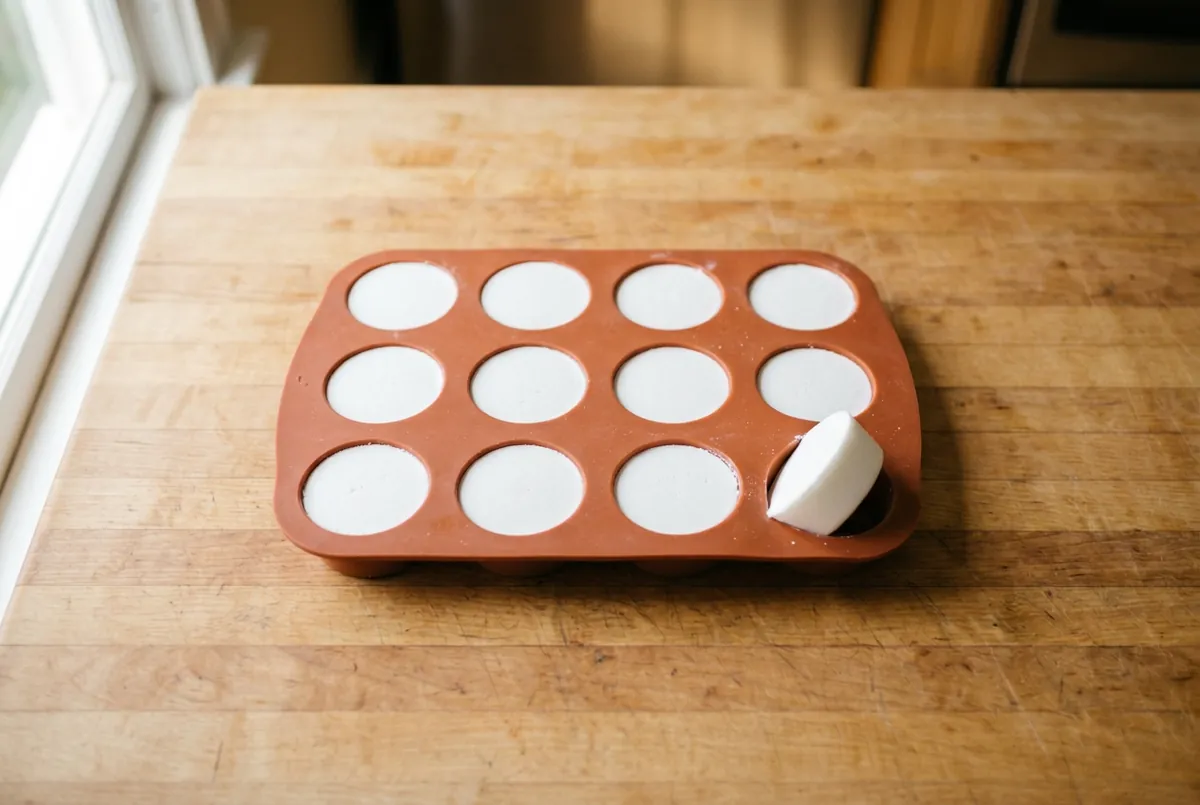
The standard. Look for food-grade silicone that is thick enough to hold its shape when full but flexible enough to push each cavity inside out. Round, square and hexagon cavities all release cleanly; shapes with thin points, stars or letters, break more often. Cavities of about 4cm across and 2cm deep make a steamer that lasts five to fifteen minutes. The silicone molds guide goes deeper.
Silicone ice cube trays
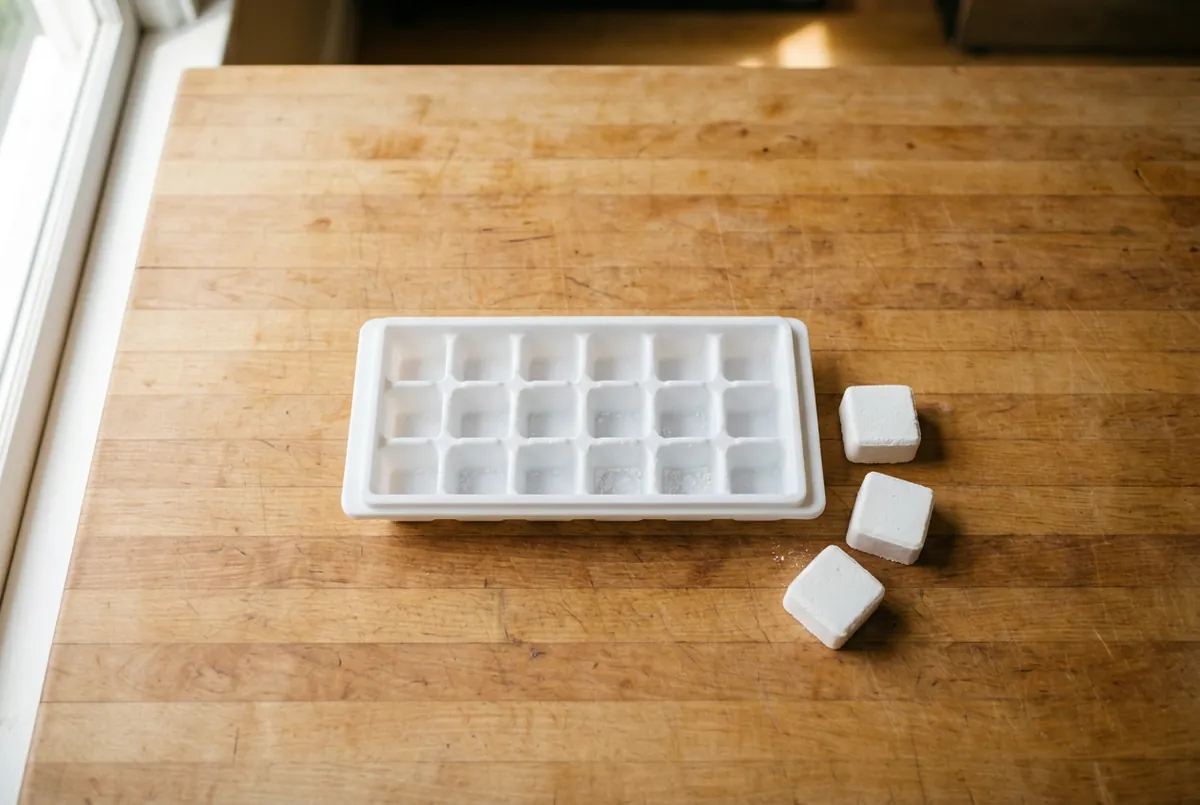
A good free start if you already own one. Cavities are usually smaller, about 3cm, so each steamer lasts a little less time, and the deeper cubes can be harder to pack evenly. Homemade shower steamers can be pressed in one.
Rigid plastic trays
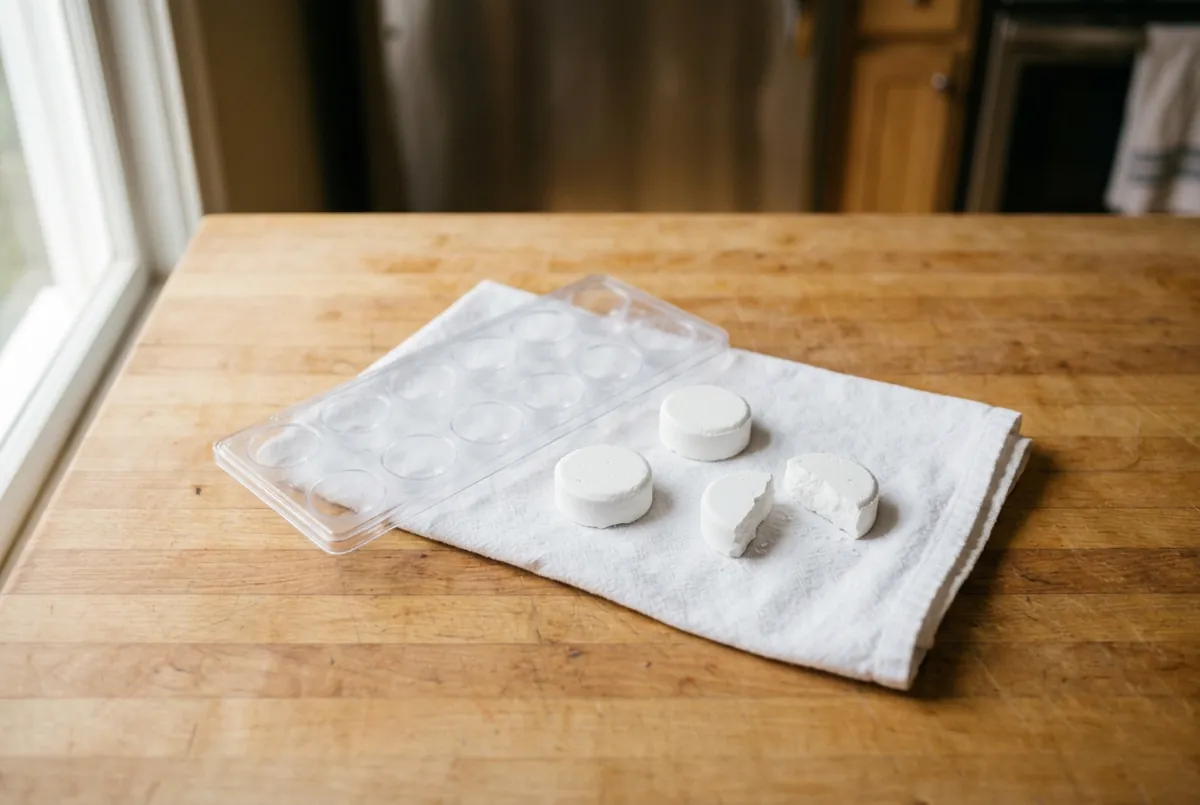
Cheap and widely sold, but hard work. Because the tray cannot flex, you have to tap the tablets out, and a well-pressed steamer often sticks until it cracks. Dusting each cavity with a little cornstarch first helps. Fine for occasional batches; frustrating for regular ones.
Cookie cutters
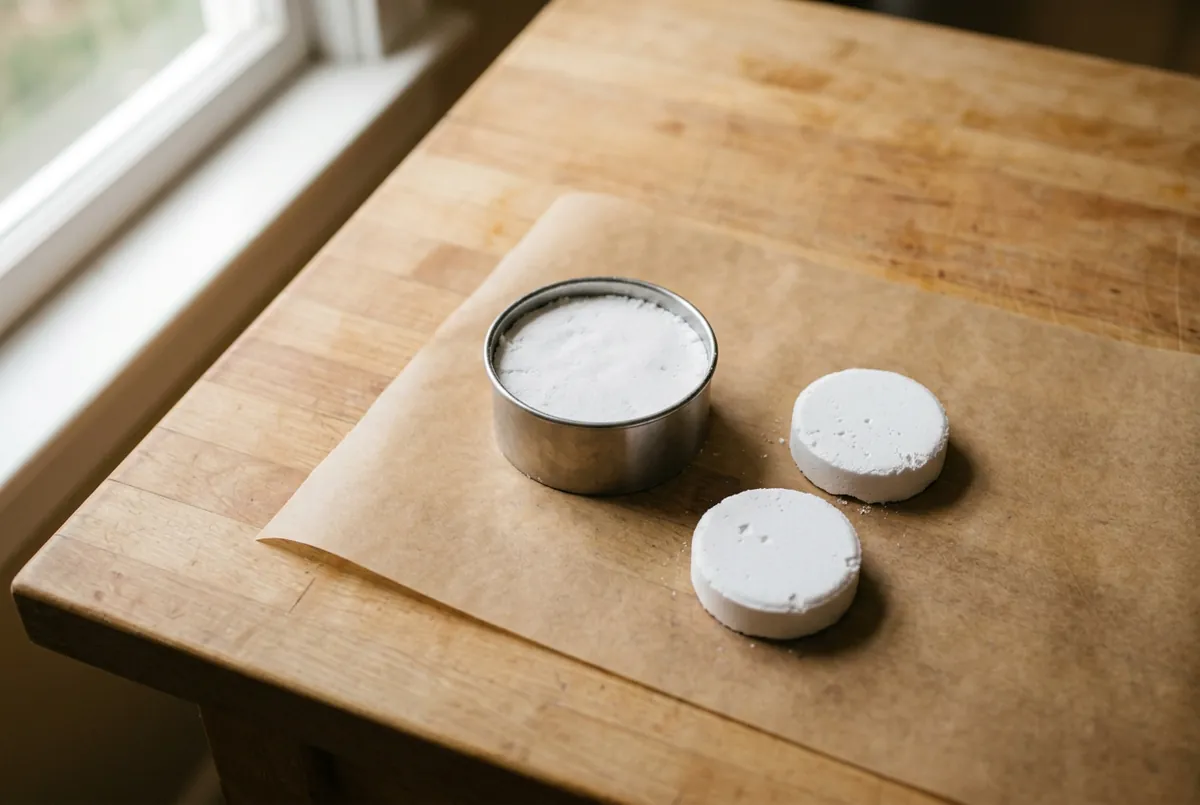
Surprisingly good for flat disc steamers. Stand the cutter on parchment, pack it firmly, then lift the cutter straight up while pressing the top down with a spoon. The discs are thinner and more fragile until dry, so leave them on the parchment. A single cutter is slow for a full batch.
Mini muffin tins
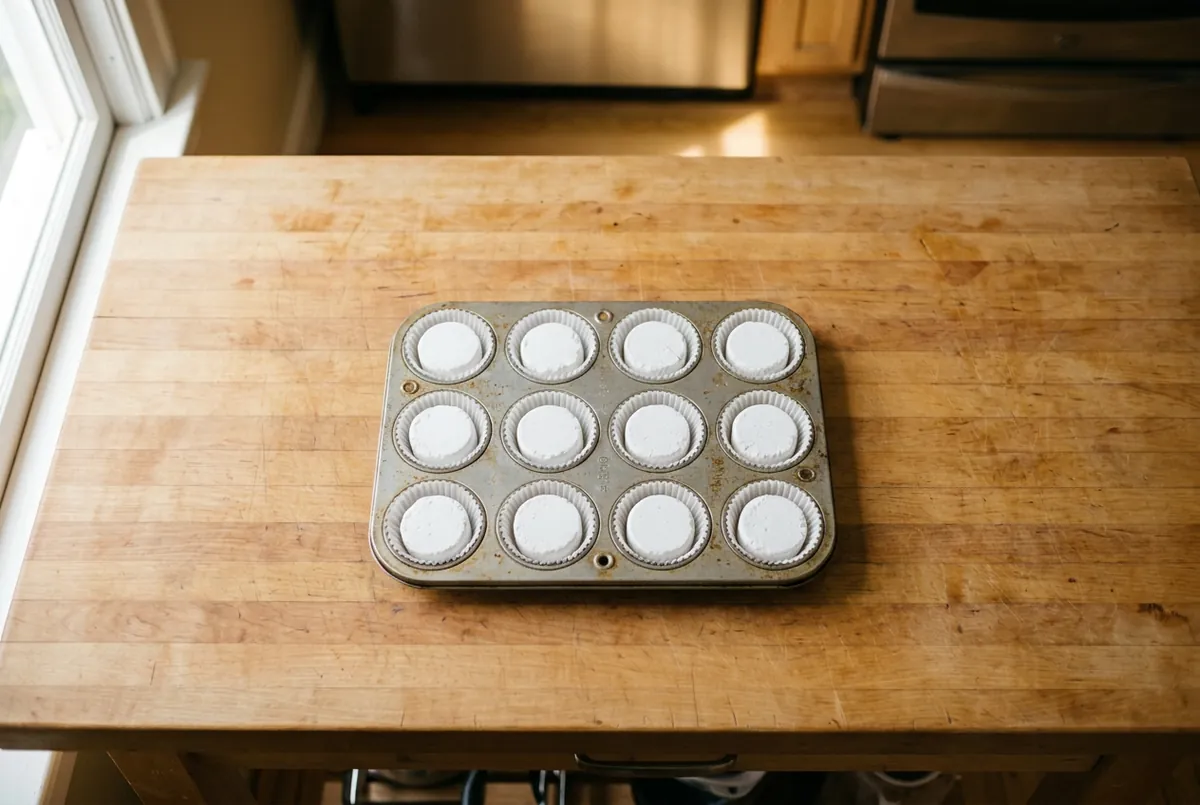
Line each cup with a paper case and the steamers lift straight out, case and all. Without cases they stick badly. The cased steamers are also neat to give away. Metal can react slightly with citric acid over time, so wash and dry the tin as soon as you unmold.
What size and shape should a steamer mold be?
About 4cm across and 2cm deep is the sweet spot. Much smaller and the steamer is gone in a few minutes; much larger and it fizzes unevenly, soft on the outside and hard in the middle, and takes days to dry. Simple shapes release best. Rounds are the most forgiving, squares and hexagons pack neatly into jars, and domes sit nicely on a shelf.
A mold labelled for bath bombs is usually a two-part sphere, which is the wrong shape for a steamer.
What to look for when buying one
Check four things. First, that it is food-grade silicone, which is sturdier and less likely to hold odours than cheap blends; a quick test is to twist a corner, and good silicone stays its own colour while poor filler-heavy silicone turns white where it stretches. Second, the cavity size, which listings often give only in inches: about 1.5 to 1.75 inches across is right. Third, the number of cavities; twelve matches a standard batch. Fourth, a flat, sturdy base, because a floppy mold bends when you carry it to the drying shelf and cracks the tablets inside.
Colour does not matter to the steamers, but a dark mold makes it easier to see when white mixture fills every corner.
Caring for your molds
Wash silicone in warm soapy water, rinse well and let it dry completely before the next batch; a few drops of water left in the cavities set off the fizz. Do not use sharp tools to lift stuck tablets, since a nick in silicone becomes a crack. Store molds flat so they keep their shape. Essential oils can slowly stain or scent silicone, so some makers keep one mold per scent family. The shower steamer mold guide explains what a wet mold does to a batch.
Do you need a special mold at all?
No. Anything that holds a firmly packed shape and lets it go again will work. But if you plan to make more than one or two batches, a proper silicone mold pays for itself in unbroken steamers within the first afternoon. For the recipe to fill it with, start with the shower steamer recipe, and browse the rest of the kit in the supplies hub.
Frequently asked questions
What is the best mold for shower steamers?
A flexible food-grade silicone mold with round, square or hexagon cavities about 4cm across and 2cm deep. It lets you press firmly and peel the mold away without breaking the steamer.
Can you use an ice cube tray for shower steamers?
Yes, a silicone one works well. The cavities are usually smaller, so the steamers finish a little faster.
What size should a shower steamer be?
About 4cm across and 2cm thick. That fizzes for five to fifteen minutes and dries through in 24 hours.
Can you use bath bomb molds for shower steamers?
Two-part sphere molds make steamers that are too big and dry unevenly. Flat, single-piece cavities work much better.